Map the lifecycle
Separate raw data, cleaned outputs, samples, checkpoints and archives, defining capacity and retention.
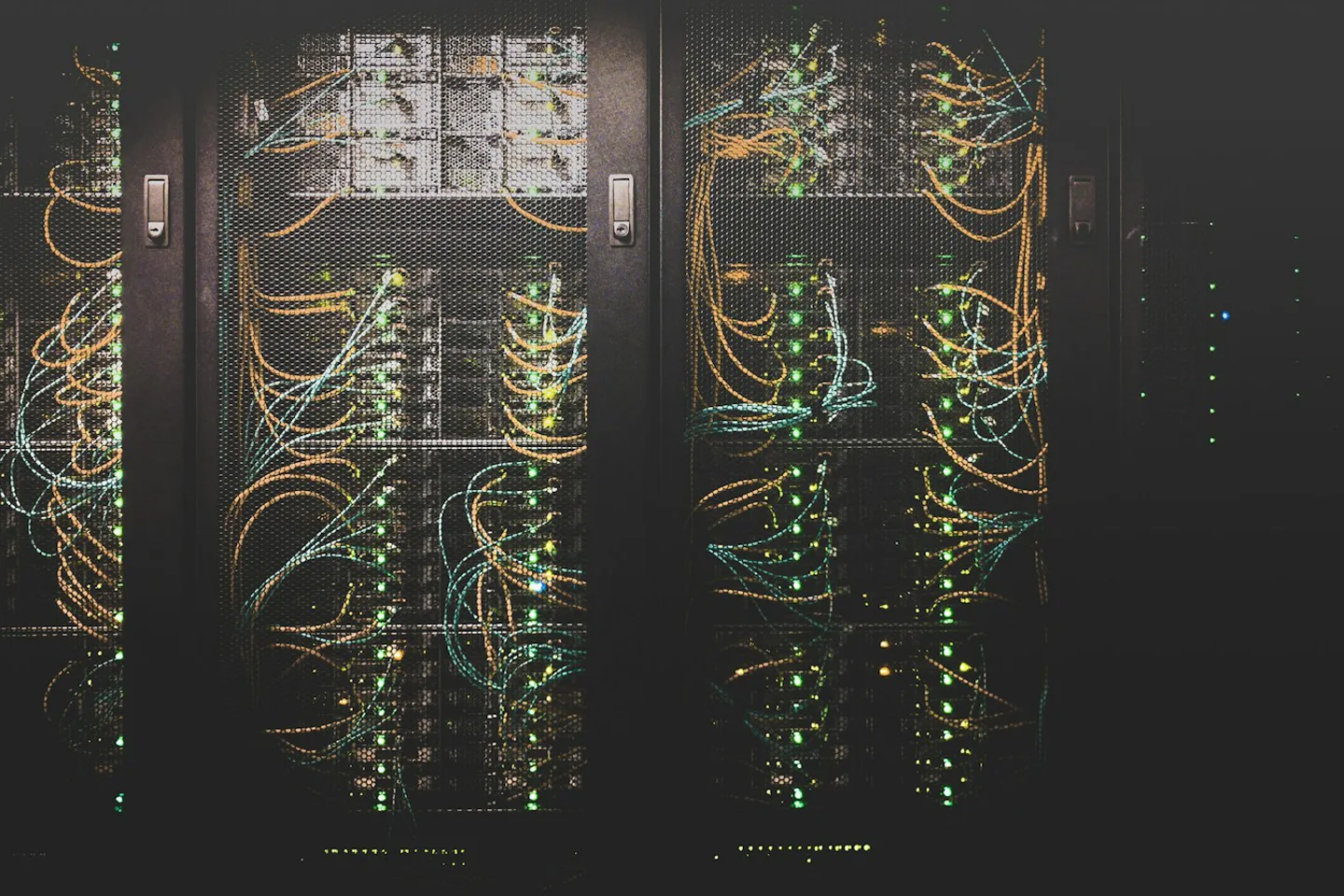
Connect ingestion, preparation, training and backups so data keeps pace with compute.
Hardware and application reference imagerySeparate raw data, cleaned outputs, samples, checkpoints and archives, defining capacity and retention.
Use local NVMe where appropriate for hot data; assess NAS, file or object storage for sharing rather than one medium for every role.
Profile loaders, CPU decoding, networks and storage. Sequential benchmarks do not represent small-file workloads.
Establish versions, permissions and backups; define acceptable data loss and recovery time and validate with restoration drills.
This is an architecture planning approach, not a completed case study or performance commitment. Agree software, equipment and service scope per project.
Applications and models, data scale, user or node counts, latency and throughput goals, existing resources, budget and site constraints. Existing measurements help narrow the shortlist.
Discuss selection, bills of materials, samples and procurement on a project basis. Model availability, implementation, installation and validation scope require agreement after requirements review.
Discuss your technical requirements ↗