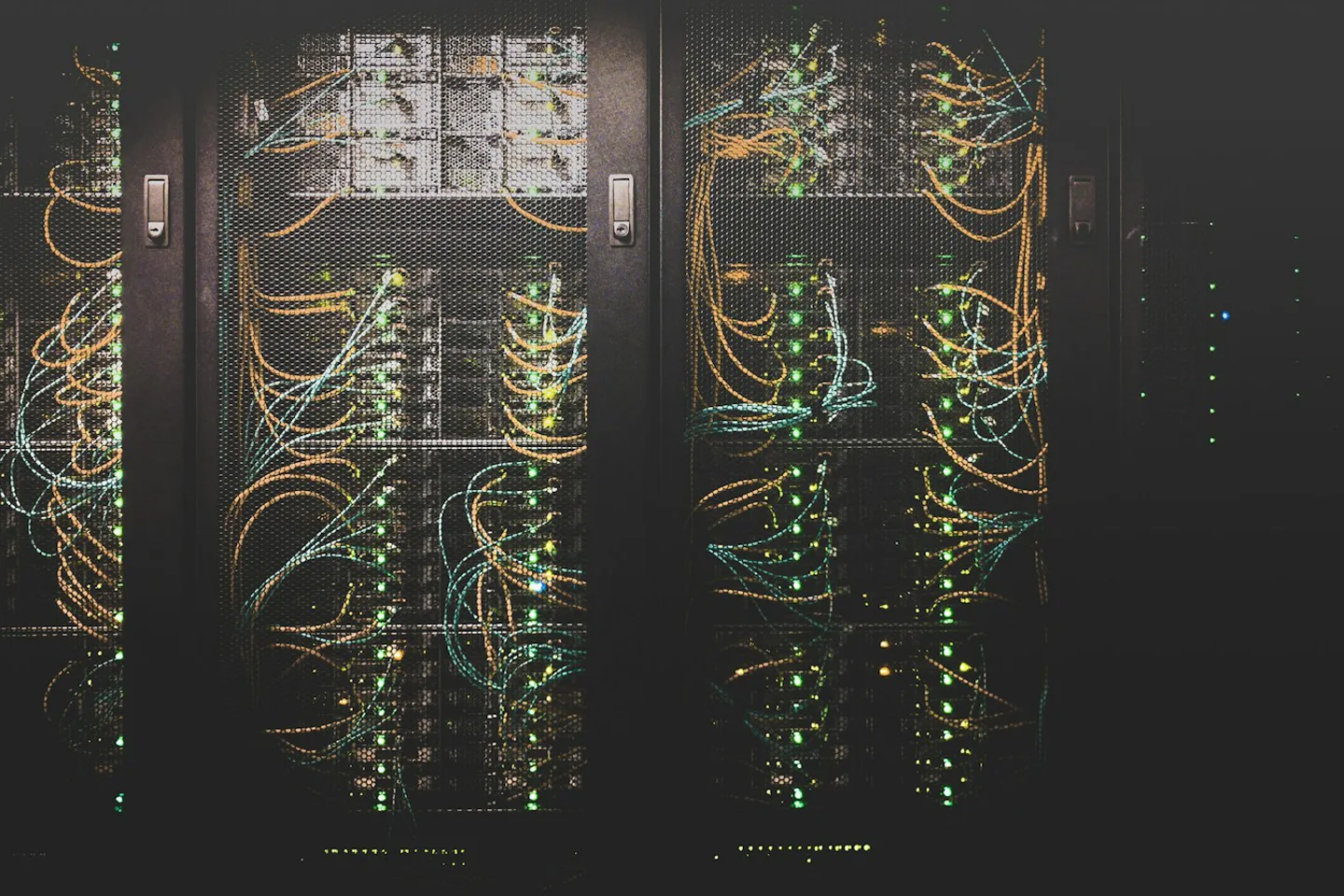
AI Infrastructure
Bring GPUs, servers, memory, storage and high-speed networking into a coherent AI configuration.
Hardware and application reference imageryStart with the application.
Local AI Inference ↗
Plan a testable local inference configuration around model size, context and concurrency.
Fine-Tuning & Training Nodes ↗
Let data, training methods and scaling strategy guide the hardware.
Knowledge Bases & RAG ↗
Connect document processing, vector retrieval and inference around your data scale.
Edge AI & Vision Inference ↗
Plan around models, video inputs and the realities of the deployment site.
AI Data Pipelines & Storage Tiers ↗
Connect ingestion, preparation, training and backups so data keeps pace with compute.
The building blocks of AI infrastructure
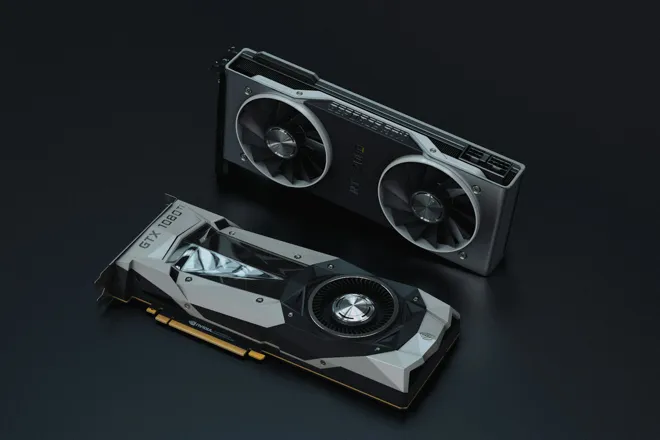
GPU Computing & Accelerators ↗
Build an acceleration shortlist around device memory, software support and interconnect topology.
AI Development Workstations ↗
Combine compute, memory and storage for local model experiments, creative work and validation.
Servers & Compute Platforms ↗
Evaluate processors, memory channels, management and maintenance as one platform.
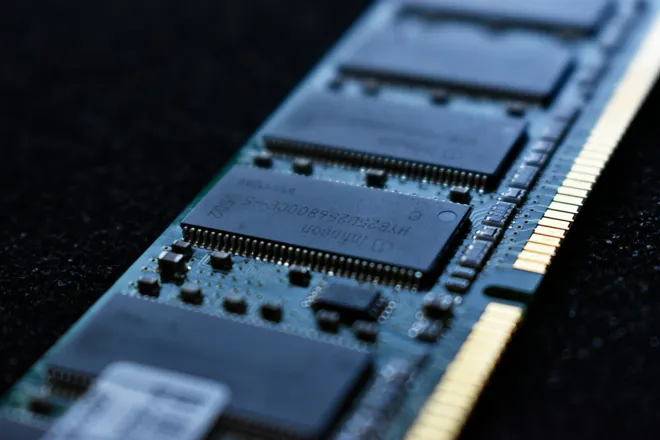
ECC & Server Memory ↗
Consider module types, channel population and platform validation, not capacity alone.
Enterprise SSDs & Data Storage ↗
Design storage around sustained workloads, write endurance and data protection.
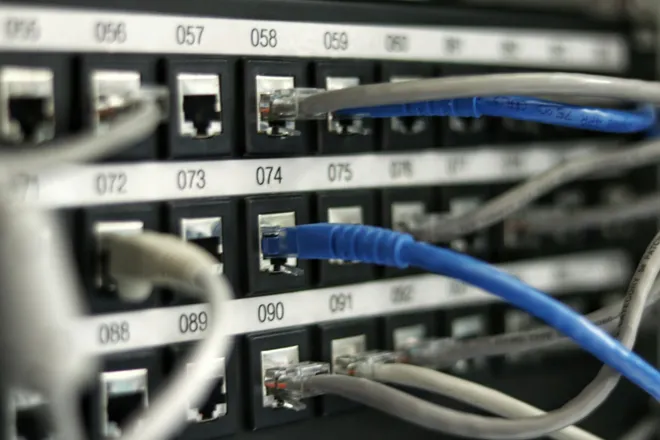
High-Speed Networking ↗
Select adapters, switches, optics and cables as a complete link.
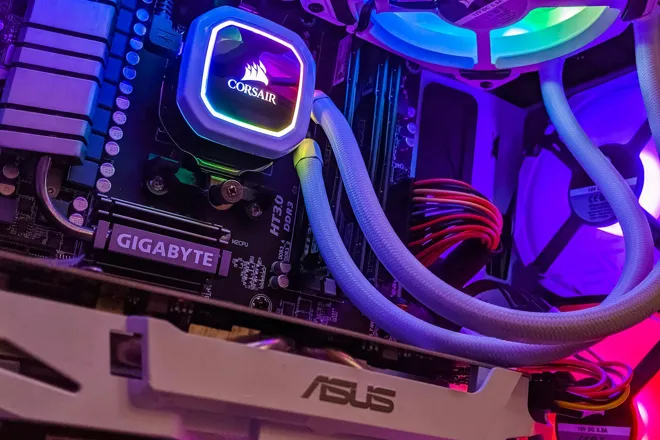
Power, Cooling & Rack Planning ↗
Align compute choices with power, cooling and installation constraints.
Estimate the need. Validate the configuration.
How Much GPU Memory Do You Need? ↗
Start with weights, then account for context, concurrency and runtime overhead.
Five Questions for AI Network Planning ↗
Start with traffic and topology rather than port speed alone.
Hardware Acceptance & Performance Validation ↗
Keep a verifiable record of configurations, test conditions and acceptance criteria.