Memory & workload
Allow for KV cache, activations, framework and runtime overhead beyond model weights. Training also needs gradients and optimiser state.
Build an acceleration shortlist around device memory, software support and interconnect topology.
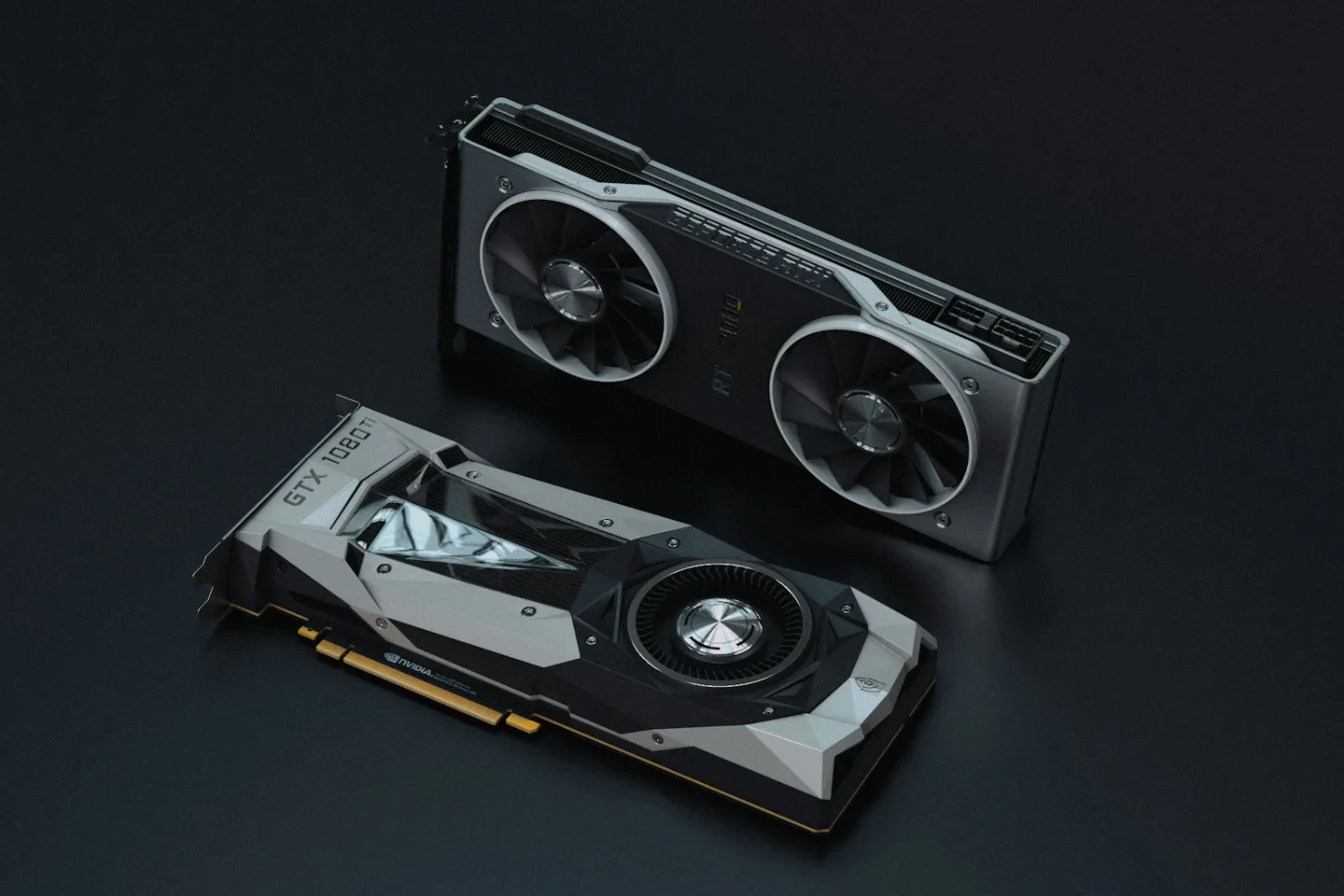
Hardware and application reference imageryInference, model fine-tuning and graphics workloads place different demands on accelerators. Define the model, precision, context length and concurrency before assessing memory, compute, bandwidth and deployment constraints.
Allow for KV cache, activations, framework and runtime overhead beyond model weights. Training also needs gradients and optimiser state.
Validate frameworks, operators, drivers and containers. Check CUDA and ROCm support against the specific GPU and software releases.
Multi-GPU scaling depends on parallelism, PCIe topology and supported links. Device memory is not automatically pooled.
Check power draw, connectors, dimensions, airflow and platform qualification; distinguish workstation from rack deployments.
Compare against product and technical requirements; supply is subject to confirmation.
Provide platform and software versions, workload, target capacity or performance, quantity, budget, location and timing, plus any specified part numbers or compatibility lists.
Discuss selection, bills of materials, samples and procurement on a project basis. Model availability, implementation, installation and validation scope require agreement after requirements review.
Prepare a brief for this category ↗