Selection Guide & FAQ
Ask the right questions before comparing specifications.
Is M.2 always faster than SATA?+
M.2 is a physical format and can use different protocols. Confirm SATA or PCIe/NVMe support on both host and SSD before comparing model performance.
Can DDR4 be replaced with DDR5?+
Not directly. Check motherboard, processor and slot requirements and choose the supported generation.
Does USB-C mean high speed?+
No. Connector shape, transfer protocol, cable and host capabilities all matter and must be checked separately.
Why does displayed capacity differ?+
Manufacturer units and operating-system measurements can differ; formatting and system partitions also use some space.
How should I choose a recording card?+
Check device recommendations, resolution and bitrate, then assess speed class and write endurance. Validate with the actual device.
Can prices and lead times be fixed?+
They depend on model, quantity, specifications, availability and delivery requirements. Confirmed quotations and orders govern.
How should backups be planned?+
Keep multiple copies of important data in separate locations and regularly verify restoration. No single SSD, card or flash drive should be the only copy.
Are small orders or samples possible?+
Share your quantity and sample requirements. Minimum orders, sample costs, shipping and available models are subject to enquiry.
Explore AI and platform technology
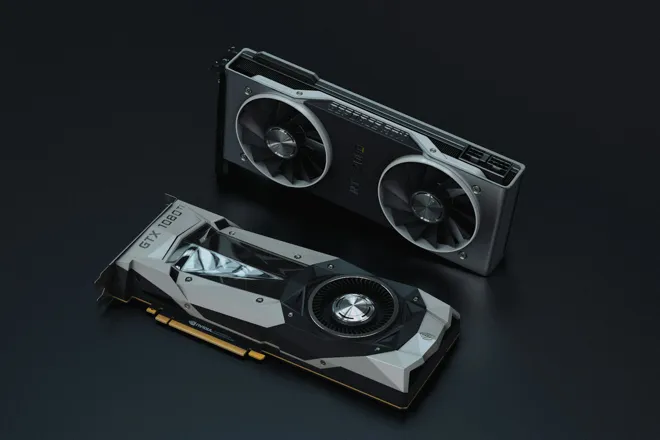
How Much GPU Memory Do You Need? ↗
Start with weights, then account for context, concurrency and runtime overhead.

Five Questions for AI Network Planning ↗
Start with traffic and topology rather than port speed alone.
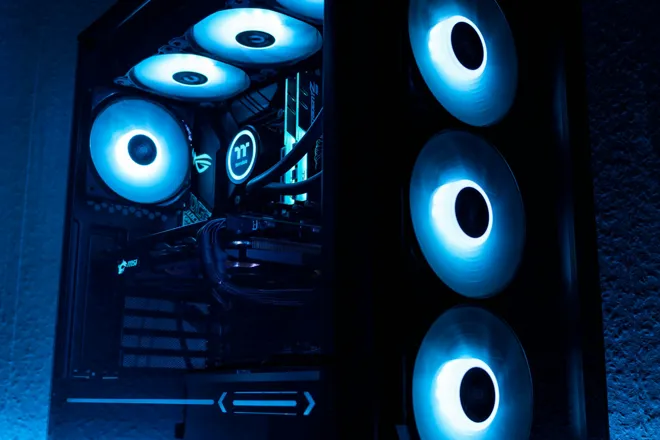
Hardware Acceptance & Performance Validation ↗
Keep a verifiable record of configurations, test conditions and acceptance criteria.